full arch dental implants designed for lasting comfort and confidence
full arch dental implants designed for lasting comfort and confidence
Blog Article
Full Arch Dental Implants: The Choice for a Total Smile Redesign Smile Enhancement
Full arch dental implants demonstrate a major advancement in dental restoration. They offer a reliable option for those facing major tooth loss, uniting functionality with visual appeal. By anchoring artificial teeth firmly in the jaw, these implants ensure enhanced stability and comfort. Learning the procedure, benefits, and maintenance care involved is essential for prospective patients. The influence of this solution on dental health and quality of life creates key considerations for individuals wanting transformation.

What Are Full Arch Implant Solutions?
Full arch dental implants constitute a transformative option for patients dealing with major tooth loss. This modern dental process includes the positioning of a set of prosthetic teeth anchored securely to implants embedded into the jawbone. Different from traditional dentures, which can slip or necessitate adhesives, full arch implants provide strength and comfort, allowing patients to eat, speak, and smile with confidence.
Typically, 4-6 implants are positioned in the jaw to hold a complete arch of prosthetic teeth. These implants fuse with the bone through a process called osseointegration, offering a strong foundation. The materials used for the prosthetic teeth are engineered to replicate the appearance of natural teeth, guaranteeing an aesthetically pleasing result. Full arch dental implants not only improve oral function but also contribute considerably to the overall quality of life, rendering them a popular choice for those looking for a permanent solution discover the information to tooth loss.
How Do Full Arch Dental Implants Work?
How do comprehensive dental implants operate to enhance dental health? These implants implement a system of precisely positioned titanium posts inserted in the jawbone, which serve as sturdy foundations for a complete set of replacement teeth. The process commences with a detailed evaluation, determining the ideal location for the implants to guarantee firmness and effectiveness. Once the posts are inserted, they undergo osseointegration, allowing the bone to grow around them, creating a firm bond. This integration is essential for enduring support and mimics the natural tooth root structure.
Once sufficient healing has taken place, custom-designed prosthetic teeth are affixed to the implants, creating a complete set of teeth that appears and works like natural ones. This method not only improves aesthetics but also recovers chewing ability and improves overall oral health, making full arch dental implants a thorough solution for individuals seeking dental restoration.
What You'll Encounter During the Dental implant Procedure
During the implant procedure for full arch dental implants, patients will first undergo an foundational consultation to assess their unique needs. This step is important for planning the surgical process effectively. Following the consultation, the surgical operation involves outlined procedures formulated to affirm the best results and patient satisfaction.
Initial Meeting Process
What can one expect from the initial consultation for full arch dental implants? During this appointment, a thorough evaluation is performed, concentrating on the individual's dental background and present mouth condition. The dental professional will discuss the individual's objectives and desired outcomes, making sure they correspond with viable treatment options. Medical imaging techniques, such as X-rays or 3D scans, may be employed to evaluate bone density and structure, which are crucial for implant placement. Additionally, the specialist will explain the complete dental implant procedure, addressing any concerns or questions the patient might have. A personalized treatment plan, containing timelines and costs, will also be provided, allowing the patient to choose wisely about their dental transformation.
Operating Procedure Steps
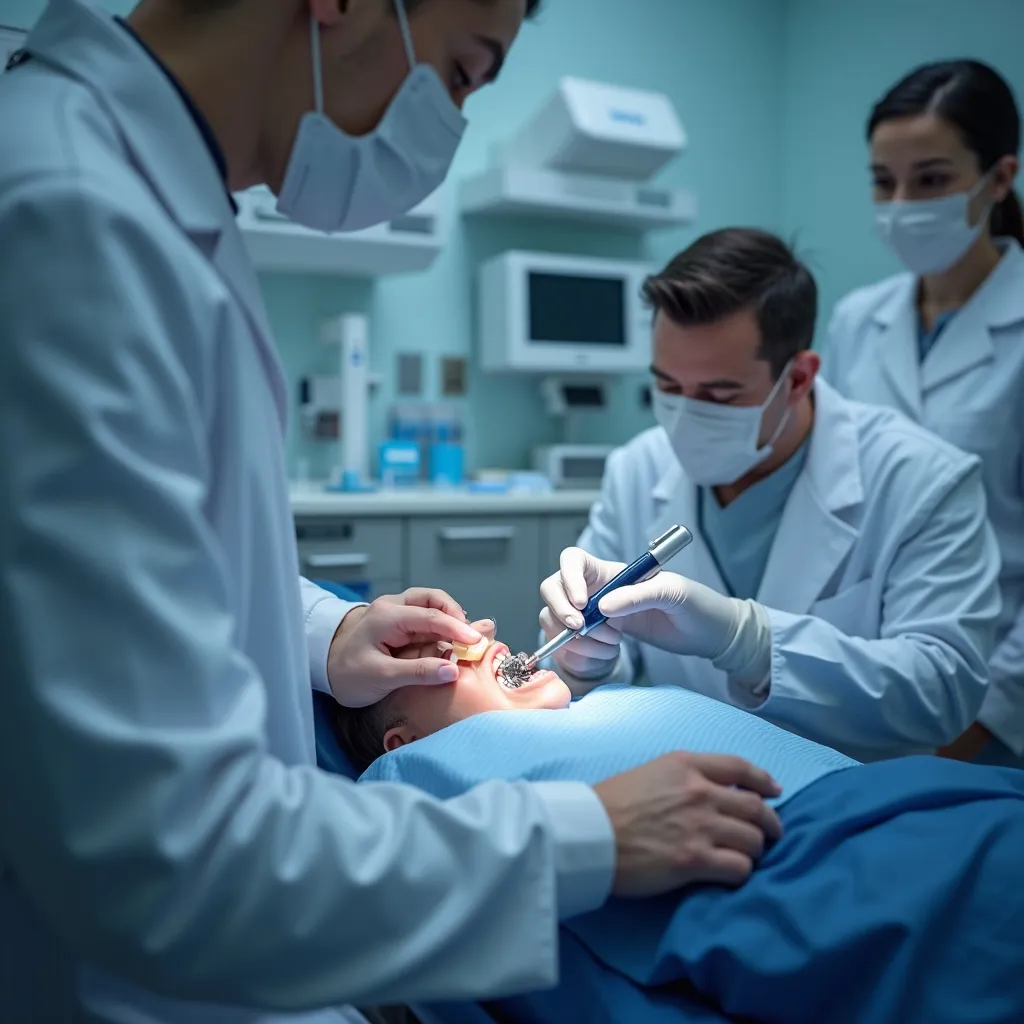
The process for full arch dental implants happens through a series of well-defined stages designed to assure patient comfort and ideal outcomes. At the start, the oral surgeon administers anesthesia to ensure the patient is at ease and pain-free. After that, any remaining teeth may be extracted, if needed. Then, the surgeon places strategically positioned implants into the jawbone, functioning as bases for the prosthetic arch. Once secured, a temporary prosthesis is often installed, enabling use while the implants heal. This healing phase usually lasts several months, during which osseointegration occurs, making sure the implants fuse with the bone. Lastly, a permanent arch is crafted and firmly placed, completing the transformation.
Key Benefits of Full Arch Dental Implants
Full arch dental implants offer several substantial advantages that improve both function and appearance. Patients often experience enhanced oral function, allowing for better chewing and speaking. Additionally, these implants deliver durable durability, contributing to a more confident and aesthetically pleasing smile.
Enhanced Aesthetic Appeal
While diverse factors shape the appeal of dental implants, remarkable visual enhancements emerge as a principal benefit of full arch systems. These implants are crafted to genuinely capture the appearance of natural teeth, making sure that patients realize a stunning and appealing smile. The materials chosen, commonly excellent ceramic or zirconia materials, produce a convincingly natural appearance that can optimize facial contours and amplify self-confidence. In addition, full arch implants overcome gaps and irregularities, bestowing a polished appearance that time-honored dentures cannot surpass. This visual revolution not only revitalizes the smile but also positively impacts social interactions and personal relationships. At its core, the beauty gains of full arch dental implants are instrumental in their accelerating popularity among seekers wanting extensive dental care.
Advanced Oral Efficiency
More than just visual attractiveness, full arch dental implants greatly improve oral ability for patients. These implants restore the capacity to chew and bite properly, allowing individuals to enjoy a more extensive range of foods without discomfort. Unlike conventional dentures, which can slip or cause irritation, full arch implants are firmly anchored to the jawbone, delivering stability and confidence during everyday activities. This greater stability also positively affects speech, with patients experiencing fewer problems with mispronouncing or difficulty articulating copyright. Additionally, the implants preserve facial structure, preventing sagging associated with tooth loss. Overall, full arch dental implants not only restore a patient’s smile but also significantly improve their quality of life through enhanced oral functionality.
Long-Term Longevity
One of the primary benefits of full arch dental implants is their outstanding durability. Unlike conventional false teeth, which can deteriorate and require regular updates, full arch implants are constructed to last for many years, often a lifetime with proper care. Made from premium materials like titanium, these implants fuse with the jawbone, providing a solid and durable foundation for prosthetic dentition. This distinct bonding not only enhances durability but also improves overall oral health by preventing bone loss. Patients often find that their full arch implants withstand normal wear and tear, allowing them to enjoy their favorite foods without concern. Consequently, the durability of full arch dental implants stands as a notable advantage for those seeking a permanent smile solution.
What's the Comparison Between Full Arch Implants and Traditional Dentures?
How do full arch implants contrast to traditional dentures in terms of functionality and comfort? Complete dental implants provide superior stability, as they are strongly anchored into the jawbone, eliminating the movement typically associated with dentures. This stability boosts chewing efficiency, allowing individuals to appreciate a greater variety of foods without risk of slippage. In contrast, traditional dentures can trigger pain due to their dependence on suction and adhesive, often producing irritated gums.
Additionally, complete dental implants help with preserving bone density, which is crucial for maintaining facial structure over time. Dentures, on the other hand, may worsen bone loss, resulting in changes in facial appearance. Comfort levels also vary; many patients report that complete dental implants feel more like natural teeth, whereas dentures can feel bulky. Overall, full arch implants provide a practical and comfortable solution that exceeds the limitations of traditional dentures, making them a favored choice for many seeking a complete smile transformation.
Important Healing Treatment for Full Arch Dental Implants
After selecting full arch dental implants, appropriate aftercare becomes necessary to guarantee their long-term reliability and performance. Patients should prioritize oral hygiene by brushing twice each day with a soft toothbrush and using non-abrasive toothpaste. Flossing or using interdental brushes is essential to clear away food particles lodged between implants. Consistent dental check-ups, ideally every six months, permit professionals to check the implants' status and deal with any concerns promptly.
Additionally, avoiding tough or adhesive foods during the primary recovery period can avert complications. Patients should also abstain from smoking, as it impedes healing and raises the risk of implant failure. Keeping yourself hydrated and upholding a nutritionally sound eating plan supports overall oral health. Finally, adhering to the dentist's specific post-operative instructions can significantly influence the implants' longevity, guaranteeing a successful and functional smile transformation.
Who Ought to Contemplate Full Arch Dental Implants?
Who could benefit from full arch dental implants? Individuals experiencing extensive tooth loss or those with significant dental decay may find full arch dental implants to be a appropriate solution. This option is especially beneficial for those who have had difficulty with traditional dentures, which can be uncomfortable and unstable. Candidates typically include senior citizens seeking to restore their smiles and enhance chewing ability, as well as younger people facing severe dental issues due to disease or trauma.
Additionally, people seeking a long-lasting and low-maintenance dental solution may also explore this alternative. Full arch dental implants offer the advantage of enhanced appearance and better oral health, making them an appealing option. Ultimately, a thorough evaluation with a dentist is essential to determine if full arch dental implants are the right fit, guaranteeing that each patient receives customized care tailored to their particular tooth requirements.
Popular Questions Posed Often
What Is The Lifespan Of Full Arch Dental Implants?
Full arch dental implants commonly last 10 to 15 years, depending on factors such as oral hygiene, lifestyle habits, and routine dental check-ups. Proper maintenance can significantly extend their longevity and effectiveness.
Will Full Arch Implants Be Sore After the Operation?
Post-procedure soreness from full arch implants varies among individuals. Many indicate gentle discomfort that is manageable with medication. Healing times differ, but most patients enjoy significant relief within a few days, facilitating a smoother recovery process.
How Much Do Full Arch Dental Implants Cost?
The expense for comprehensive arch implant therapy generally extends from $20,000 to $40,000 per arch, influenced by multiple factors including location, material choice, and the degree of difficulty involved in the individual case.
Which Patients May Receive Full-Arch Implant Teeth?
Yes, most individuals can get full arch tooth replacements, as long as they have necessary bone density and overall well-being. A detailed evaluation by a dental professional confirms suitability depending on specific medical and dental conditions.
How Do I Look after My Implants Long-Term?
To maintain implants long-term, people should practice thorough dental hygiene, arrange routine appointments with your dentist, avoid foods that are difficult to chew, and quit tobacco use. Careful upkeep helps secure the longevity and proper operation of implants.
Report this page