Trusted teeth implants Cape Town for comfortable and precise dental care
Trusted teeth implants Cape Town for comfortable and precise dental care
Blog Article
A Total Breakdown of Dental Implants: Your Pathway to a Gorgeous Smile
Dental implants represent a substantial breakthrough in dental restoration. They deliver a reliable answer for people with missing teeth, presenting both practical function and aesthetic value. The procedure involves a surgical aspect that integrates the implant with the jaw structure. Grasping the various aspects of dental implants, from the treatment to long-term care, is vital for anyone exploring this choice. What factors should one examine before making such a decision?

What Are Dental Implants and In What Way Do They Function?
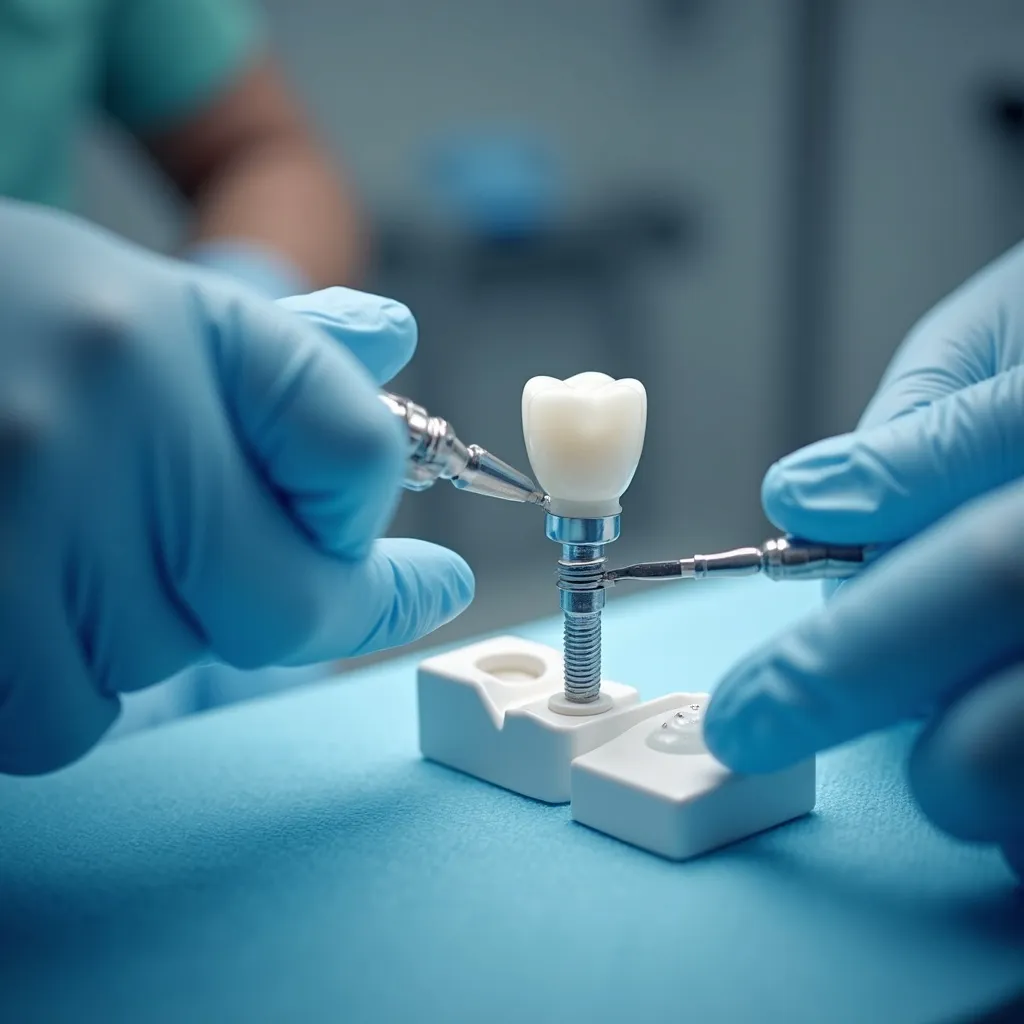
Dental implants serve as a advanced method for replacing missing teeth, offering both effectiveness and appearance. These implants consist of a titanium post that is placed into the jawbone, acting as a root for a replacement tooth. Once the post integrates with the bone—a process known as osseointegration—it provides a solid base for attaching a prosthetic, connector, or denture. The procedure typically involves several stages, beginning with a thorough examination and imaging to assess jaw health and bone density. Following the implant placement, a healing period is needed to guarantee proper integration. Afterward, an abutment is attached to the post to hold the final restoration. Dental implants not only restore chewing ability and speech but also help maintain facial structure by avoiding bone deterioration. Overall, they represent a dependable and durable option for tooth replacement, enhancing both oral health and self-confidence.
Reasons to Choose Dental Implants for Lacking Teeth
Many explore individuals recognize that choosing dental implants offers major advantages versus conventional tooth replacement options. Dental implants present a lasting remedy for missing teeth, effectively replicating the look and performance of natural teeth. Unlike dentures, they do not shift or need adhesives, improving ease and assurance.
In addition, implants help maintain jawbone integrity by enhancing bone formation, which prevents the deterioration that frequently occurs after tooth loss. This preservation of bone structure enhances a more youthful countenance.
Furthermore, dental implants are long-lasting and can last many years with appropriate maintenance, making them a cost-effective option in the long run. They also improve oral health by allowing easier entry to adjacent teeth for brushing and preserving overall hygiene.
Ultimately, the choice to select dental implants can result in improved lifestyle, increased confidence, and a renewed ability to enjoy foods without restriction.
An Thorough Resource Covering the Dental Implant Process Progressively
Learning about the tooth implant procedure can clarify the steps for those exploring this revolutionary alternative. The procedure usually begins with a thorough evaluation, incorporating X-rays and a treatment plan customized to the person's specifications.
Then, the oral surgeon places a titanium post into the jawbone, functioning as the implant's root. This step may necessitate a convalescence period of several months to verify successful osseointegration, where the bone bonds with the implant.
Once recovered, an abutment is attached to the post, which will hold the replacement tooth. Impressions are then collected to build a custom crown that aligns with the patient's natural teeth.
At last, the crown is securely placed on the abutment, concluding the implant process. Post-procedure care includes regular dental check-ups and maintaining good oral hygiene to support the longevity of the implant.
Why Pick Dental Implants Instead of Other Alternatives?
When considering tooth restoration options, individuals often find themselves comparing the benefits of dental implants against choices such as bridges and dentures. Dental implants offer a durable solution, replicating the look and feel of natural teeth. Unlike dentures, which can shift or require adhesives, implants are securely anchored into the jawbone, providing improved stability and comfort.
Moreover, dental implants maintain bone density by activating the jaw, avoiding the bone loss that often follows tooth loss. This aspect is particularly important for preserving facial structure and preventing premature aging. Additionally, implants do not damage adjacent teeth, as bridges do, which necessitate alteration of healthy enamel.
Patients also like the simplicity of upkeep associated with dental implants. They can be sustained like natural teeth, requiring regular brushing and flossing without the necessity for special adhesives or cleaning solutions. Overall, dental implants present a resilient and effective option for those wanting long-term tooth replacement solutions.
Clearing Up Standard Myths About Dental Implants
Which misconceptions exist about dental implants? A lot of people think that dental implants cause pain and need a long recovery period. In fact, the procedure is generally performed under local anesthesia, and pain is usually minimal, similar to tooth extraction. Another popular myth claims dental implants are only for older adults; however, they're suitable for anyone with sound gums and adequate bone density. Some people also worry implants might look artificial, but modern techniques ensure they closely match natural teeth. Additionally, it's often misunderstood that dental implants lack long-lasting quality, but with proper care, they can last a lifetime. Lastly, many think the procedure is too expensive, overlooking the long-term savings, since implants can prevent future dental work that other tooth replacement options might require. Addressing these myths is critical for proper understanding about dental health.
What You Should Understand and Tips for Caring for Your Tooth Implants Following Surgery
After discussing common misconceptions about dental implants, it's essential to explain what patients can anticipate during the recovery process and how to maintain their implants post-surgery. At first, patients may undergo inflammation, discomfort, and minor bleeding, which can be controlled with doctor-recommended pain medication and ice packs.
Upon completion of the procedure, following a soft-food diet is recommended to minimize sensitivity. Oral hygiene is critical; gentle brushing along with rinsing in a alcohol-free mouthwash aids in keeping the implant area cleaned.
Patients ought to avoid smoking and reduce intense exercise for at least a week to promote healing. Regular follow-up appointments with the dental provider are crucial to monitor the healing process and handle any issues. By comprehending these aftercare guidelines, patients can enhance the longevity and success of their dental implants, paving the way for a healthier smile.
Best Practices for Long-Term Management of Your Implant Dentistry
Looking after dental implants requires persistent daily hygiene habits and consistent dental visits. These essential steps help guarantee the resilience and function of the implants. By committing to a dedicated care protocol, individuals can markedly enhance their broader dental condition.
Regular Oral Hygiene Routines
Maintaining effective everyday oral hygiene is key for dental implant success. Those with implants should brush their teeth at least twice a day using a gentle toothbrush and fluoride toothpaste that does not abrade. Flossing plays an just as crucial role; using specialized floss or interdental brushes can efficiently clean around implants and prevent plaque buildup. An antimicrobial mouthwash rinse can aid in reducing harmful bacteria present in the mouth. Paying special attention to the gum line and surrounding natural teeth is important to sustain overall oral health. Replacing toothbrushes every three months ensures effective cleaning. Following these guidelines, implant recipients can greatly boost the life and aesthetic of their dental implants, resulting in a bright smile for many years.
Regular Oral Checkups
Habitual dental checkups constitute a vital part in the prolonged maintenance of dental implants. These consultations permit dental professionals to review the circumstances of both the implants and surrounding tissues, ensuring that any potential issues are treated promptly. During these check-ups, comprehensive assessments and cleanings help prevent difficulties such as infections or gum disease, which can compromise the reliability of the implants. Additionally, dentists can dispense tailored advice on keeping up dental wellness specific to implant care. Regular X-rays may also be taken to assess bone health and implant stability. By maintaining routine checkups, patients can substantially enhance the longevity and success of their dental implants, leading to a healthier and more confident smile.
Frequently Posed Inquiries
Do artificial tooth roots fit all patients?
Dental implants may not be ideal for everyone. Multiple aspects like age, oral health, bone density, and medical conditions are crucial roles in determining eligibility. A detailed evaluation by a dental expert is essential for personalized recommendations.
How Extended Can Dental Implants Function?
Dental implants generally last 10 to 15 years, influenced by factors like dental care, lifestyle, and placement technique. With proper care, some can last even longer, offering a durable option for tooth loss.
What Does Dental Implants Cost You?
Dental implants typically cost between $3,000 to $4,500 per implant. The cost is influenced by the dentist's experience, location, and any additional surgical procedures required, such as bone grafting or sinus lifts.
Is it possible to get dental implants when smoking?
Yes, folks who smoke can obtain dental implants; however, smoking may hinder healing and heighten the risk of complications. Meeting with a dentist is critical to review individual circumstances and manage potential risks appropriately.
How Uncomfortable Is the Dental Implant Process?
The dental implant treatment typically involves some discomfort, but dentists often administer local anesthesia to minimize pain. Post-operative tenderness can occur, lasting a few days, but most patients find the experience tolerable with appropriate care.
Report this page